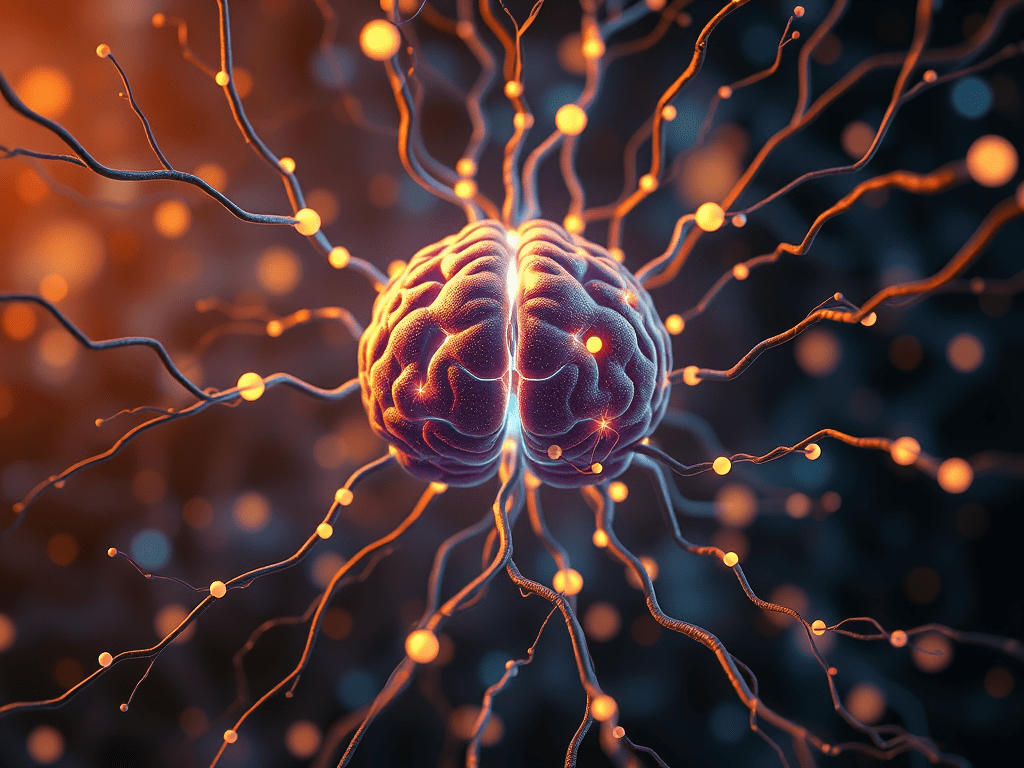
Cognitive psychology and neuroscience once lived in two very different worlds.
One tried to understand the mind – how we think, remember, perceive, and make decisions. The other focused on the brain – neurons, synapses, brain regions, and neural activity.
For a long time, these two fields studied the same mystery from different angles. Cognitive psychologists were interested in mental processes, while neuroscientists focused on biological mechanisms. But eventually, the fields realized something obvious yet profound:
If the mind produces cognition, and the brain produces the mind, then studying cognition without the brain is incomplete.
And so, somewhere in the late 20th century, cognitive psychology and neuroscience “had a baby”.
What Is Cognitive Neuroscience?
Cognitive neuroscience is the scientific study of how brain activity gives rise to mental processes such as perception, attention, memory, language, decision-making, and consciousness. In simpler terms, it asks questions like:
- Which brain regions are involved when we remember something?
- What happens in the brain when we pay attention?
- How does neural activity produce conscious awareness?
- What brain mechanisms allow us to learn new skills?
The central goal of cognitive neuroscience is to link mental functions to neural mechanisms. Instead of asking only what the mind does, cognitive neuroscience also asks:
How does the brain physically implement these mental processes?
This integration is what distinguishes the field.
The Historical Roots of Cognitive Neuroscience
The field did not emerge overnight. It evolved gradually as several disciplines began to intersect.
Cognitive Psychology
Cognitive Psychology emerged in the mid-20th century as a reaction to behaviorism. Researchers began studying internal mental processes such as memory, attention, perception, and language. Influential cognitive scientists like Ulric Neisser helped establish the field by arguing that psychology must study the information-processing mechanisms of the mind. Cognitive psychologists developed models describing how information flows through mental systems, but they had limited tools for observing what the brain was actually doing during these processes.
Neuroscience
Neuroscience focuses on the structure and function of the nervous system, especially the brain. It investigates:
- neurons and synapses
- neural circuits
- brain anatomy
- neurochemistry
- electrophysiology
Early neuroscientists could measure brain activity using techniques like single-cell recordings or lesion studies, but connecting these findings to complex mental functions was challenging.
Neuropsychology
Another crucial bridge came from Neuropsychology. Researchers studying brain damaged patients discovered that damage to specific brain regions leads to specific cognitive deficits. Classic examples include patients studied by Paul Broca and
Carl Wernicke. Their work showed that:
- damage to Broca’s area impairs speech production
- damage to Wernicke’s area disrupts language comprehension
These findings provided early evidence that cognitive functions are localized in particular brain regions.
The Birth of Cognitive Neuroscience
The real explosion of cognitive neuroscience happened in the 1980s and 1990s, largely because of advances in brain imaging technologies. These technologies allowed researchers to observe the living brain in action while people performed cognitive tasks. Key tools include:
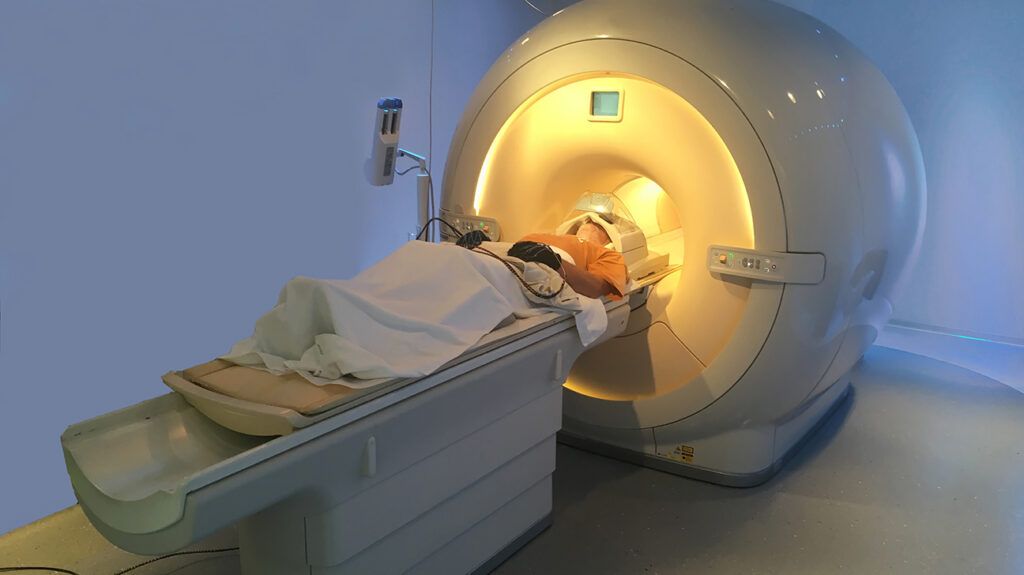
Functional Magnetic Resonance Imaging (fMRI)
Functional Magnetic Resonance Imaging measures changes in blood oxygen levels to infer neural activity. When a brain region becomes active, it consumes more oxygen. fMRI detects these changes, allowing researchers to map which brain areas are involved in specific tasks. For example, fMRI studies have identified brain regions involved in:
- working memory
- decision-making
- visual perception
- language processing
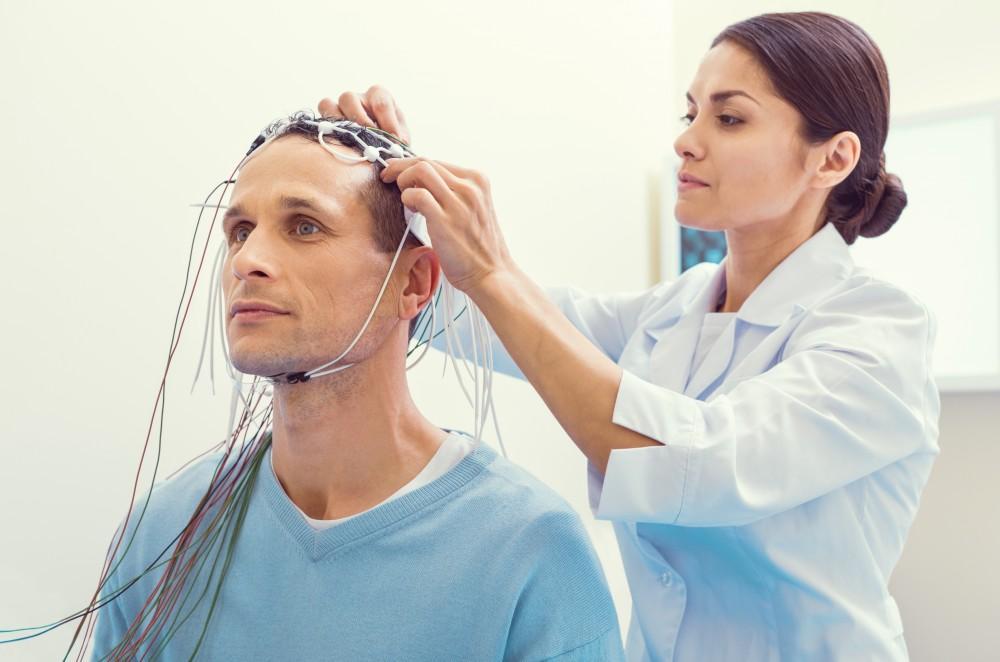
Electroencephalography (EEG)
Electroencephalography records electrical activity from the scalp. EEG is especially useful for studying temporal dynamics – how quickly cognitive processes unfold. This technique can measure brain activity on the scale of milliseconds, making it ideal for studying:
- attention
- perception
- error monitoring
- mind-wandering
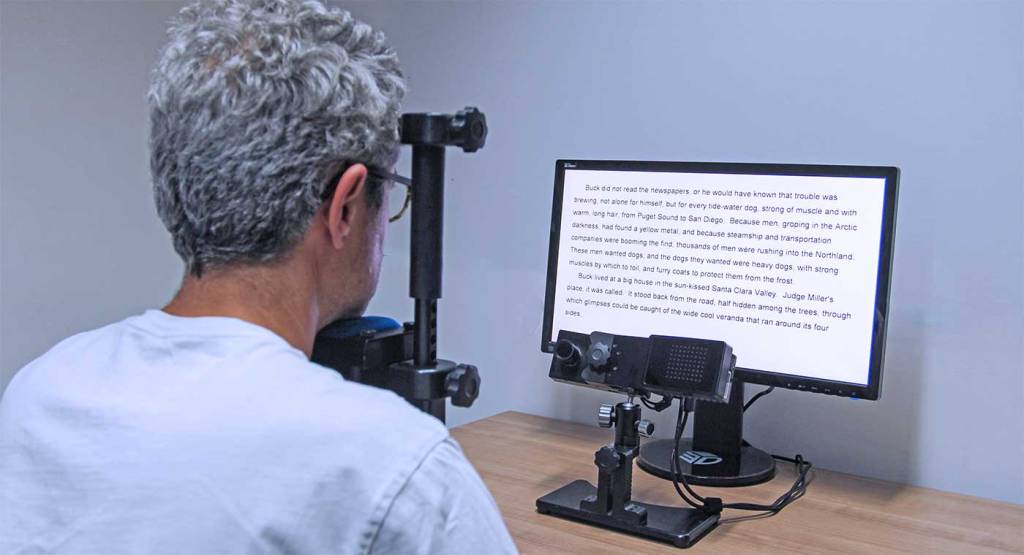
Eye Tracking
Eye Tracking records where and when people move their eyes. Because eye movements are tightly linked to attention and cognitive processing, eye-tracking has become a powerful tool for studying:
- reading
- visual search
- scene perception
- decision-making
What Makes Cognitive Neuroscience Different?
Cognitive neuroscience is fundamentally interdisciplinary. It combines methods and ideas from multiple fields such as psychology, neuroscience, computer science, linguistics, artificial intelligence, and philosophy.
Rather than studying the brain or mind in isolation, it attempts to build a unified explanation of cognition across multiple levels. Researchers might combine behavioural measures, brain imaging methods, computational models, and neurophysiology.
All to answer the same question:
How do neural systems generate intelligent behavior?
Real-World Applications of Cognitive Neuroscience
Education and Learning
Cognitive neuroscience helps us understand how the brain learns. Research on memory systems, attention, and neural plasticity has informed educational practices such as spaced learning, retrieval practice, and multimodal instruction. These insights are particularly relevant for research on learning efficiency and attentional engagement.
Clinical Psychology and Psychiatry
Cognitive neuroscience also contributes to understanding disorders such as Alzheimer’s Disease, Attention Deficit Hyperactivity Disorder, Autism, and Schizophrenia. By identifying neural mechanisms underlying cognitive dysfunction, researchers can develop better diagnostic tools and interventions.
Human–Computer Interaction
Insights from cognitive neuroscience are also used to design adaptive interfaces, brain–computer interfaces and neuroadaptive technologies. These systems attempt to respond to the user’s cognitive state in real time.
Why Cognitive Neuroscience Matters
Cognitive neuroscience represents one of the most ambitious scientific goals: Understanding how the physical brain gives rise to the mind.
This question touches on some of the deepest mysteries in science:
- How does neural activity produce thought?
- How does the brain generate conscious experience?
- How do biological systems learn, reason, and make decisions?
Although we are still far from fully answering these questions, cognitive neuroscience has already transformed how we study the human mind.

 Smart Psych Study
Leave a comment